
by Merri Ukraincik
Each year, I begin our Pesach preparations the same way. I take the keys to my grandmother’s apartment, home to the magical seders of my childhood, and a Pesach spoon from her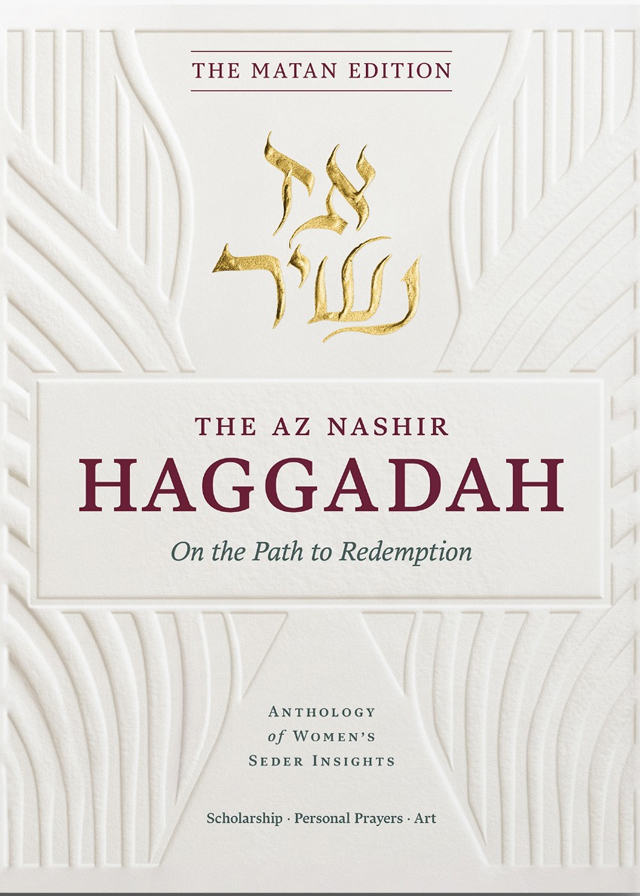 mother, whose Yiddish name I share, and rest them on the window ledge in our kitchen.
Memory, faith, and love have turned these once-quotidian items into sacred objects over time. I catch glimpses of them as I cook and clean, feeling the spirit of the women who once owned them walk with me as we leave Egypt on seder night.
We have a beautiful new companion for the journey this Pesach – The Az Nashir Haggadah (The Matan Edition), compiled and edited by Shira Lankin Sheps, Rachel Sharansky Danziger, and Rabbanit Anne Gordon.
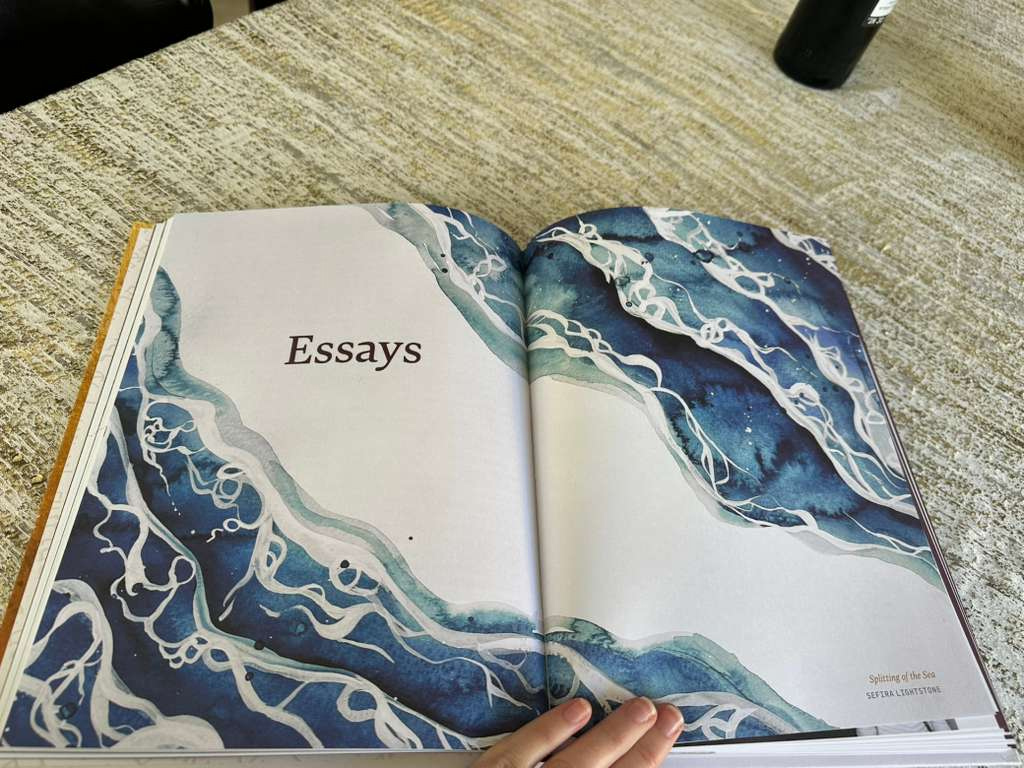
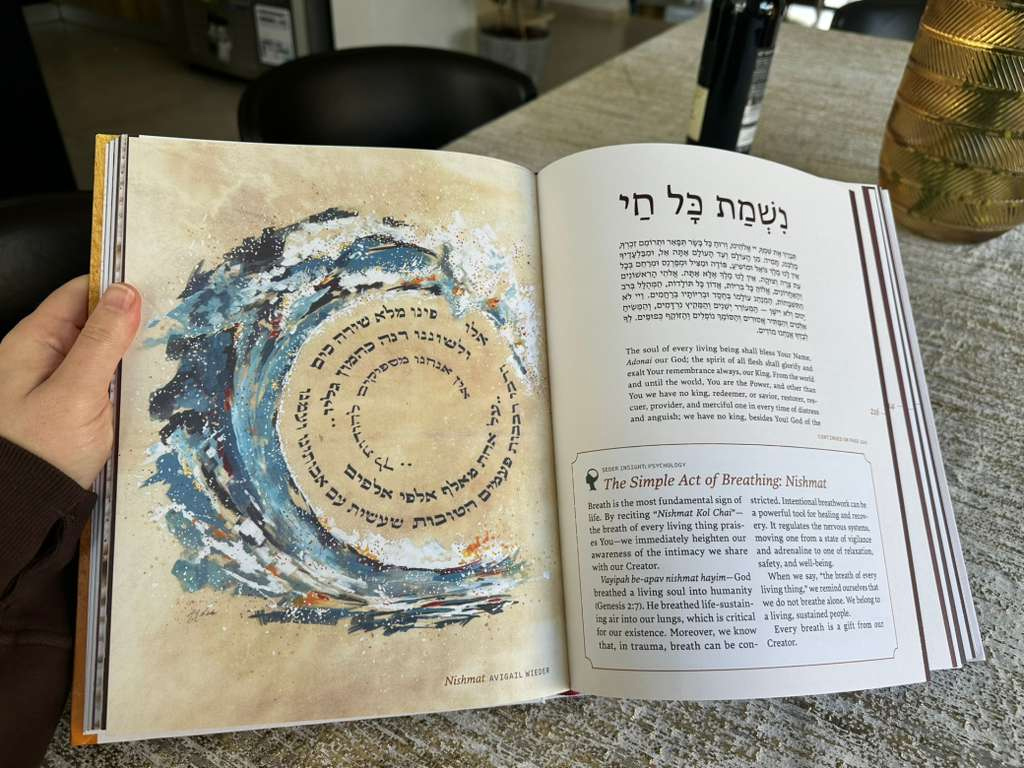
This third volume in the SHVILLI Center/Layers Project Az Nashir series is, at its heart, a modern-day book of tekhines, a centuries-old tradition of personal and poetic prayers written by Jewish women. The Haggadah teems with these prayers, as well as essays, educational and psychological insights, exceptional Torah scholarship, and stunning artwork by mostly English-speaking women living in Israel.
At a time when words too often fail, they have found the language to convey the realities of a post-October 7 world and the ongoing war, relating them to the ancient ritual of the seder. The Az Nashir Haggadah also offers hope in its powerful message of faith and redemption.
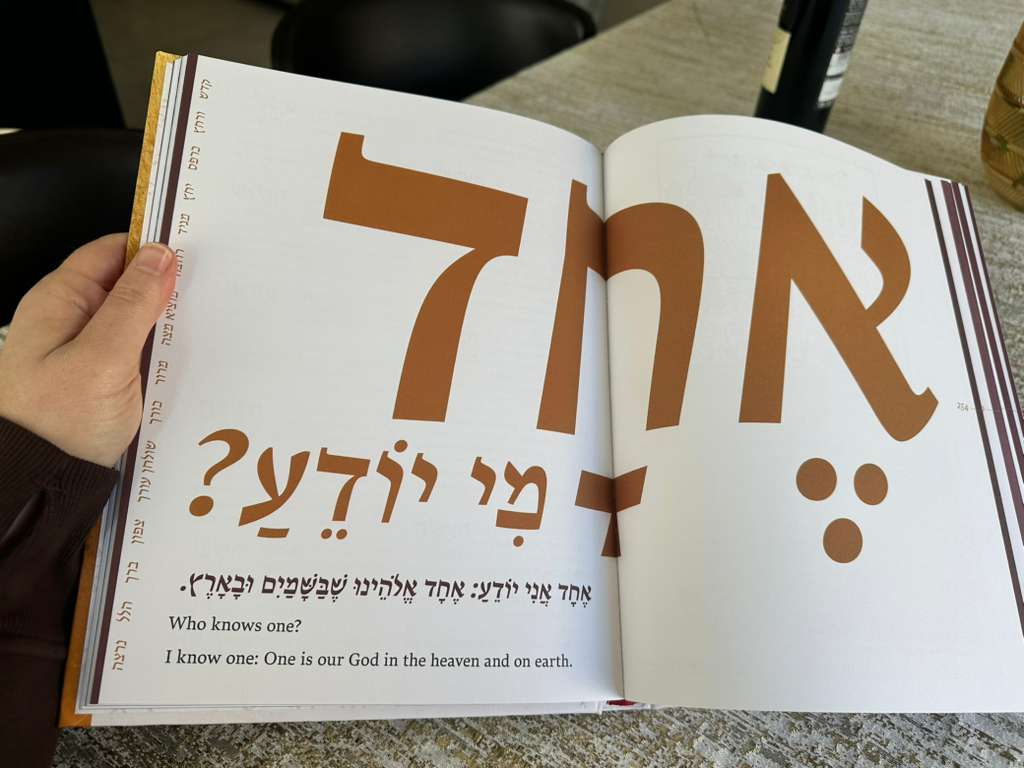
“Follow the text, find your place, and go deeper when you want,” the Haggadah beckons us on its opening pages. And from my nook here in the Diaspora, I do.
When did I last have the luxury to explore the text of the Haggadah deeply and meaningfully before the seder? I cannot remember. Yet today, I get to drop my pen – the shopping list can wait, I decide – and immerse myself in Rabbanit Malke Bina’s dvar Torah A Night Unlike Any Other.
“What begins as a sense of wonder is transformed into an opportunity for teaching,” she tells us, as if she knows why, before anything else, I’ve set out those keys on the kitchen window ledge. I envision my grandfather, the wizard who led our seders long ago, once again conjuring Eliyahu Hanavi for us children. Look! There’s a drop of wine missing from his cup, he reassures us, and we squint to believe him.
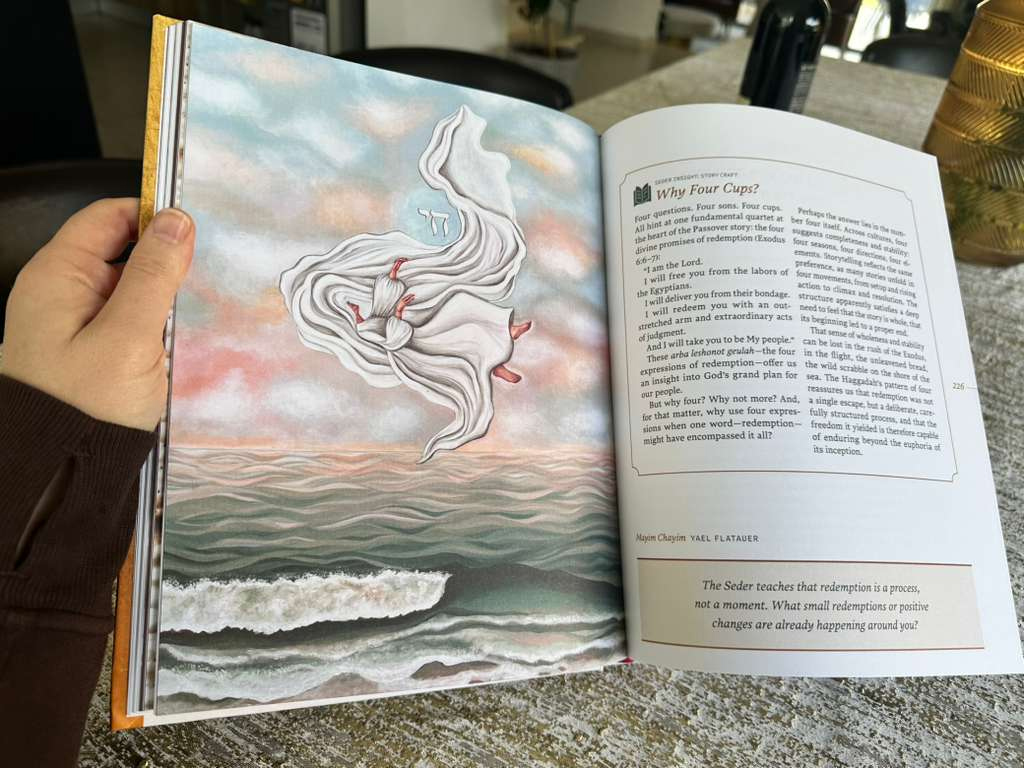
Meanwhile, my husband notices the towering stack of egg cartons in the garage.
“Do we really need that many eggs for a week?” he asks, like it’s the Fifth Question.
He shrugs, while I feel seen when I spot Heddy Breuer Abramowitz’s black and white drawing Egg Cartons, paired with the Eruv Tavshilin blessing. And I’m grateful to count eggs, like the six I need for each loaf of mandelbread and the twelve for each batch of matzah rolls. The counting feels like “the math of miracles/And not maror” Jessice Levine Kupferberg longs for in her prayer poem, Plague Arithmetic.
The Az Nashir Haggadah encourages us to go deeper, to see an ancient story reflected in our lives today. What miracles have you experienced? it asks us in one of its thoughtful prompts.
My sons come to mind, and my enchantment with them when they were miraculously mine in the way only small children are. Frogs here, frogs there, they’d sing sweetly, their holiday projects strewn across the seder table. Yet even now I can recall my exhaustion (motherhood, career, housekeeping), and my impatience with them days earlier when I discovered them eating crackers in rooms I’d already cleaned for the holiday. My breath catches.
Though I cannot travel back in time to undo the times Pesach preparations blurred my vision, I hear Rachel Sharansky Danziger pray the words “Hashem/ Liberate us from our little bubbles” in her prayer poem Here Is the Bread of Our Growth. With that, I promise myself that I will toss these crumbs of the past to make room for growth and possibility, to breathe new spiritual energy into a holiday I know – and love – so well.
I set the Haggadah aside for now, though, because the days until Pesach are short and the work ahead is plentiful. But I keep it within arm’s reach, knowing I will find something that resonates each time I return to its pages, reading hope and redemption between the new lines of an eternal Pesach story.